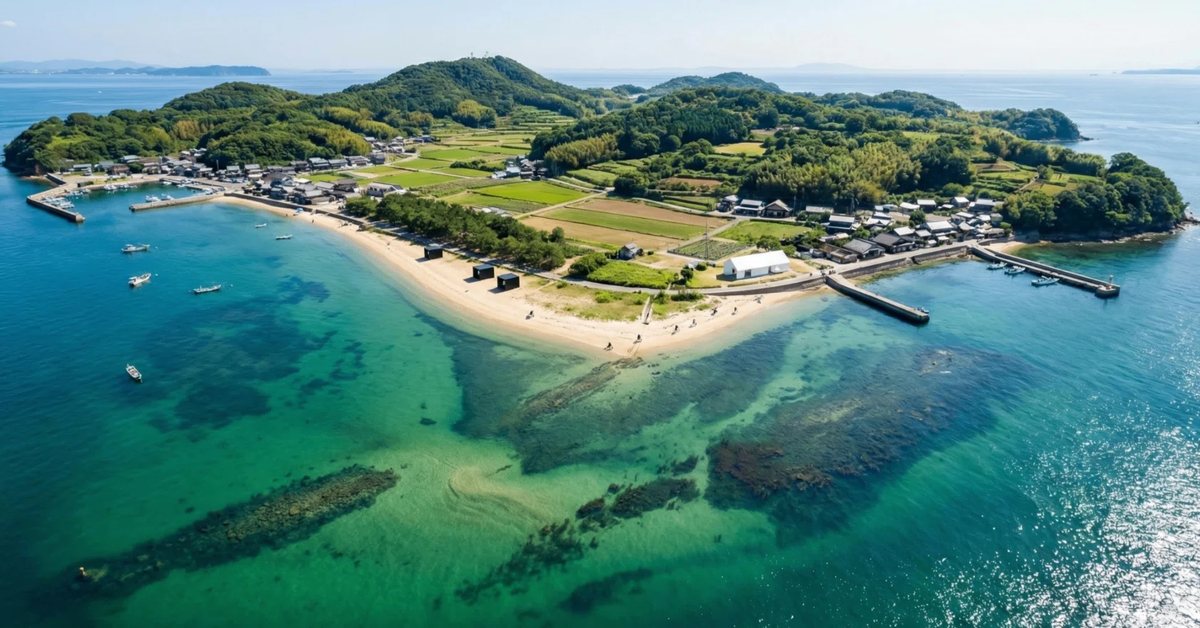
Sakushima, Aichi
Eelgrass meadow アマモ場
For 22 years, the island’s schoolchildren have replanted this meadow by hand. It is the nursery where young fish shelter before they ever reach open water.
4.9 t CO₂ per hectare each year · eelgrass average
You just brought back the coast
You are holding a Coastal IPL that just put 1 kg of CO₂ back into Japan’s seafloor and brought back about 0.2 m² of living coast. Here is how, exactly where, and how to check every step yourself.
The impact so far
00 000
Cans enjoyed
00 000
kg CO₂ returned to the coast
0 000
m² coastal habitat restored
00
Founding venues
These counters are wired to PocketSeed and go live the day the first batch ships. Until then they stay at zero. No invented numbers, ever.
Tiny on its own. A batch of around 1,450 cans brings back roughly 290 m², a little more than a tennis court of living coast. That is what a few thousand people ordering the same beer looks like.
The science
Every number on this page has a paper trail. Here is the mechanism, the methodology, and the sources, as deep as you want to go.
Where the carbon goes
Tap a marker to explore
CO₂ is absorbed as the meadow grows. 0.2 m² of living coast per can above the seabed line, and 1 kg of CO₂ locked in the sediment for 100+ years below it.
Each batch buys and retires J Blue Credits equal to one kilogram of CO₂ per can. A credit only exists after a project’s uptake has been measured, cut down to the fraction proven to stay in the seabed, checked by an independent verifier, and registered with JBE.
Only carbon that stays locked for more than 100 years qualifies, and a retired credit can never be sold again. One can, one kilogram, once.
Credits come from a named project with a measured area of restored habitat. Divide the area our credits support by the cans in the batch: Batch 01’s roughly 1,450 cans back about 290 m² of eelgrass meadow, which is 0.2 m² per can.
It is a batch-level allocation, verified and traceable, not a per-can survey, and we say so plainly.
Average CO₂ removal · tonnes per hectare, per year
CO₂ absorbed per year · billions of tonnes
Nothing here asks for trust. These are the documents behind every claim.
How it’s traced
Most good-for-the-planet claims ask for your trust. This one hands you the receipts. Every can opens a public record: the exact credit bought and retired for its batch, checked by an independent third party and certified by JBE, Japan’s blue carbon certification body.
100+ years
Only carbon that stays locked away for over a century even qualifies.
Independently checked
Every credit is verified by a third party, then registered and published.
Global standard
Aligned with the ICVCM Core Carbon Principles for high-quality credits.
Your can
Scan the QR on the label
PocketSeed
Keeps it transparent, batch by batch
JBE
Verifies and retires each credit
J Blue Credit®
The certified unit of impact
ICVCM aligned
The global standard it meets
Batch 01 · Sakushima, Aichi
1,450 cans, brewed into 1,450 kg of CO₂ locked in the seafloor and 290 m² of eelgrass meadow restored.
A specimen of the PocketSeed record every can will open. Goes live the day Batch 01 ships.
You did not donate. You just had a beer. Japan’s coast is a little more alive because a lot of people did the same thing.
The coastlines
The impact is never abstract. It lands on a named stretch of Japan’s coast, chosen with the people already in the shallows bringing it back. One coastline per batch, in rotation, and the map grows.
One coastline per batch, in rotation.
Sakushima, Aichi
Eelgrass meadow アマモ場
For 22 years, the island’s schoolchildren have replanted this meadow by hand. It is the nursery where young fish shelter before they ever reach open water.
4.9 t CO₂ per hectare each year · eelgrass average
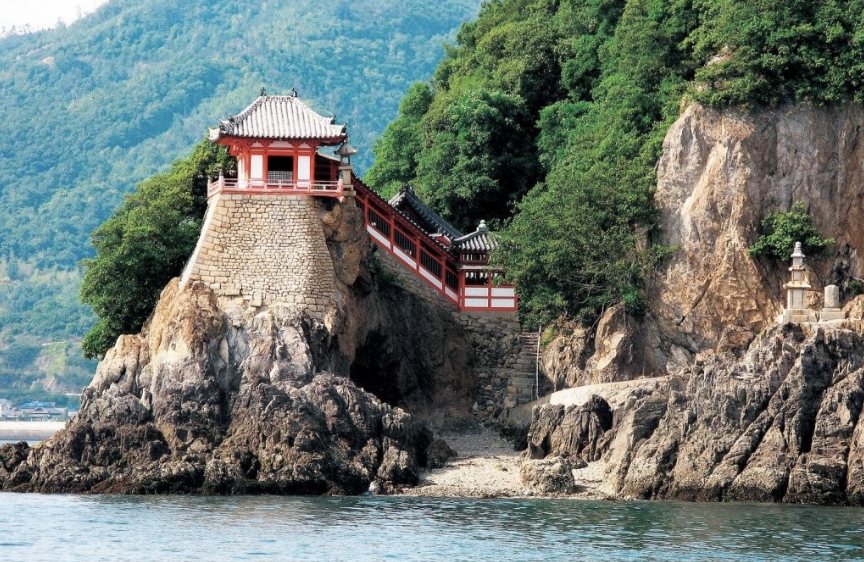
Onomichi, Hiroshima
Tidal flat 干潟
The Seto Inland Sea’s own filter, and the birthplace of the clams and oysters a whole coast’s food is built on.
2.6 t CO₂ per hectare each year · tidal flat average
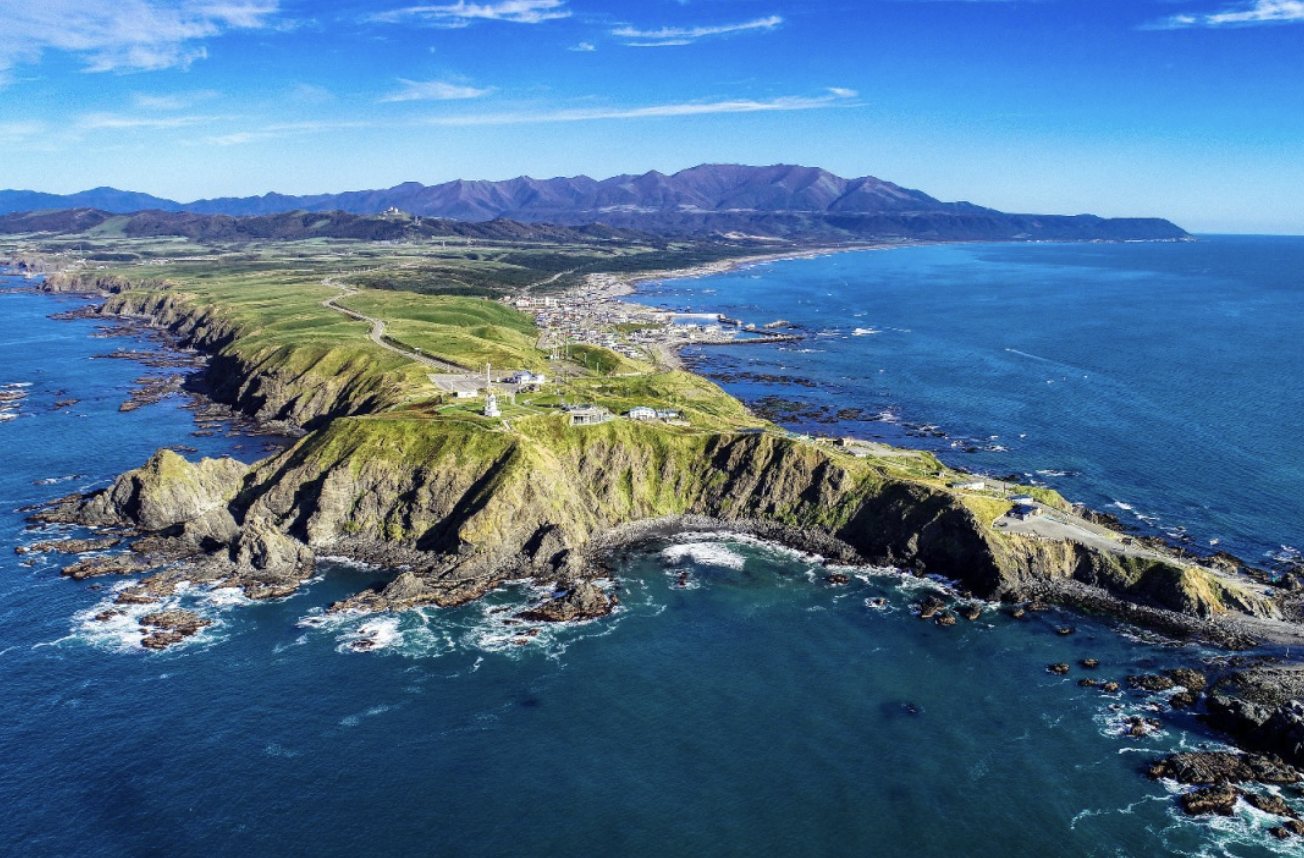
Erimo, Hokkaido
Kelp forest コンブ場
Kombu is the soul of dashi. Local fishermen are turning barren isoyake seabed back into forest, the strongest carbon habitat in the whole scheme.
10.3 t CO₂ per hectare each year · the scheme’s strongest
Carbon is only where it starts. A restored coastline pays the people around it back in food, clean water, wildlife and pride. JBE certifies the carbon; the coast gives back the rest.
Seagrass nurseries and tidal flats raise the fish, clams and kombu behind Japan’s food culture. A restored coast is a working kitchen.
Meadows and flats filter the sea as it moves through them: clearer bays, healthier shellfish, better days on the water.
Fish shelter in the blades, birds return to the flats. Restored habitat means biodiversity you can actually see.
School replanting days, fishing co-ops, local stewardship. These projects run on community, and fund it back.
The collective
The founding wall: every venue that stocks Nami Nami, named and counted from day one. The first slots are waiting.